Click HERE to engage with AFIS on Linkedin
Children are being squeezed out, with nowhere to go.
Two months ago, AFIS wrote to the Secretary of State for Education, warning that rising costs in the independent sector, thanks to VAT and the cumulative fiscal policy attacks, were causing a faster displacement than they had forecast. The consequences do not appear to have been considered.
The response?
“No excessive pressure on the state-funded system... no reports of capacity problems.”
We were told that position is based on June 2025 data, which is not helpful. This was when many families felt they had no choice but to struggle and sacrifice more, rather than disrupt their children’s education during critical exam years.
🚨 What we are seeing
Across London and the South East, families report:
- Refusals or long waiting lists
- Exclusion due to shrinking catchment areas
- Late applications forced by school closures
- Being told they may not know until late August
👉 leaving children facing uncertainty
🎯 This affects all families
- Independent Schools: Children moving from independent schools are being squeezed out.
- State School Families: Face higher competition and rising entry thresholds.
- State Schools: Already under pressure and being stretched further.
🎯 Post-16 is a pressure point
- Concentrated demand in a single cycle where capacity cannot expand quickly.
⚠️ A second wave: independent school closures
- 13 closures to date in 2026
- Most families will try to remain in the independent sector and are well supported by schools to do this.
- Some are being forced into the state system (after admission deadlines).
👉 creating sudden demand the system cannot absorb
⚠️ Why the system isn’t coping
Demographic shifts = falling primary rolls BUT this does not mean spare capacity where and when it’s needed.
Pressure is most acutely felt where there is the highest concentration of independent school pupils (the South East).
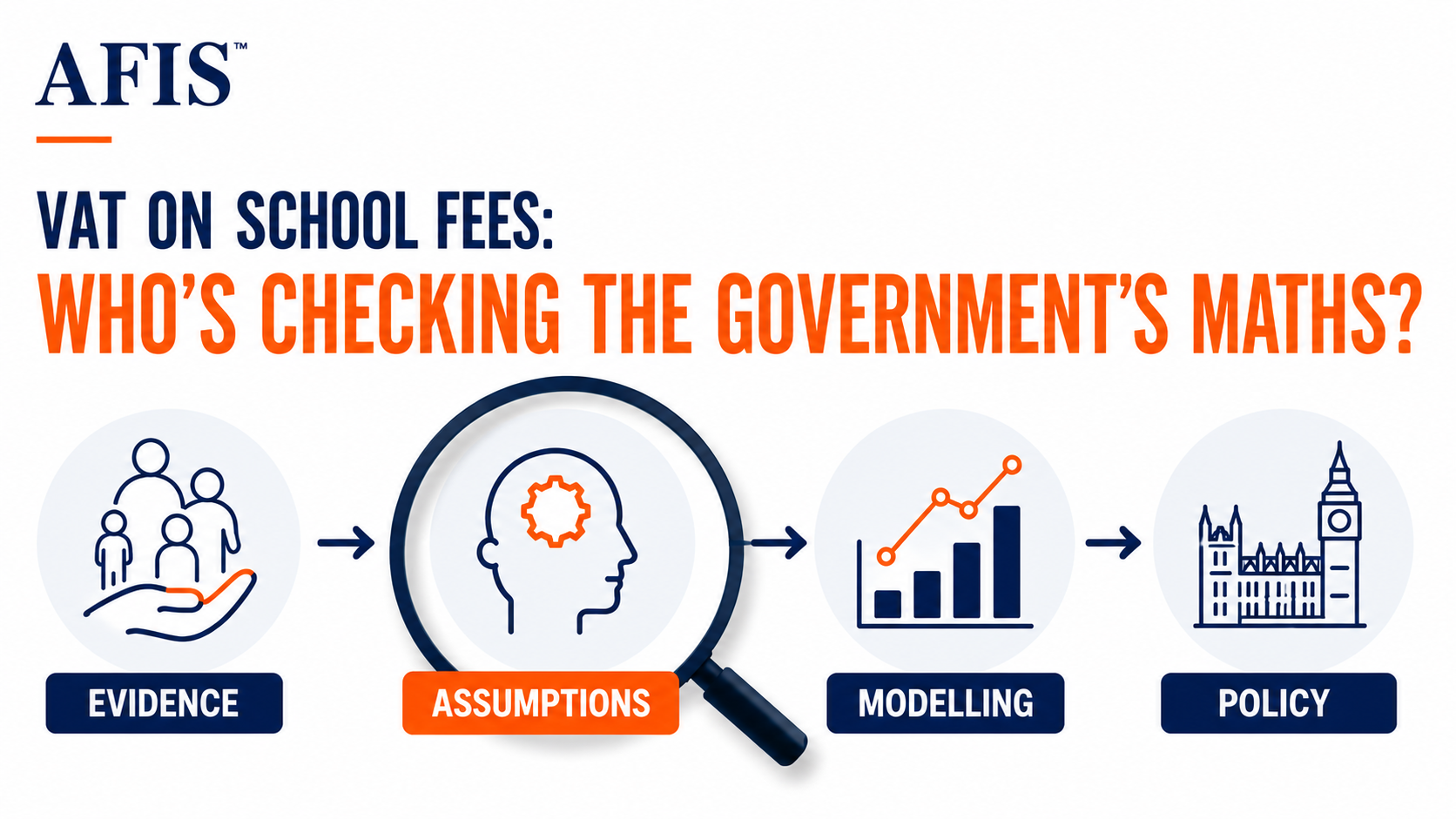
Government modelling (~37,000 pupils) did not account for:
- The speed and concentration of movement.
- Closures creating sudden demand.
👉 demand is higher and less visible than govt forecasts
🚨 No data = no understanding
Post-16 is where pressure is greatest, but:
- Application and acceptance numbers are not centrally tracked.
The system isn’t measuring where the pressure is.
❗ Questions still unanswered
We wrote back to the DfE and asked:
- What assessment has been made of post-16 capacity pressures?
- What data exists on refusals?
- How is demand monitored where it isn’t tracked?
- What assessment has been made of regional pressure?
- How is funding addressing capacity gaps?
Children are being left without places. Families are in limbo.