𝗜𝗡 𝗧𝗛𝗘 𝗔𝗙𝗧𝗘𝗥𝗠𝗔𝗧𝗛 𝗢𝗙 𝗩𝗔𝗧 𝗢𝗡 𝗦𝗖𝗛𝗢𝗢𝗟 𝗙𝗘𝗘𝗦: 𝘈𝘕 𝘜𝘗𝘋𝘈𝘛𝘌 𝘖𝘕 𝘈𝘍𝘐𝘚'𝘚 𝘗𝘖𝘚𝘛-16 𝘊𝘈𝘗𝘈𝘊𝘐𝘛𝘠 𝘐𝘕𝘝𝘌𝘚𝘛𝘐𝘎𝘈𝘛𝘐𝘖𝘕
Back in January, AFIS members began contacting us about difficulties securing post-GCSE places.
Record levels of oversubscription.
Shrinking catchment areas.
Long waiting lists.
Places unexpectedly refused.
Children uncertain where they would be studying in September.
Families running out of options.
AFIS raised these concerns with the Department for Education.
We were told there was "no excessive pressure on the state-funded system" and "no reports of capacity problems". (Later, they confirmed to us that post-16 data is not actually monitored!!)
So we started investigating.
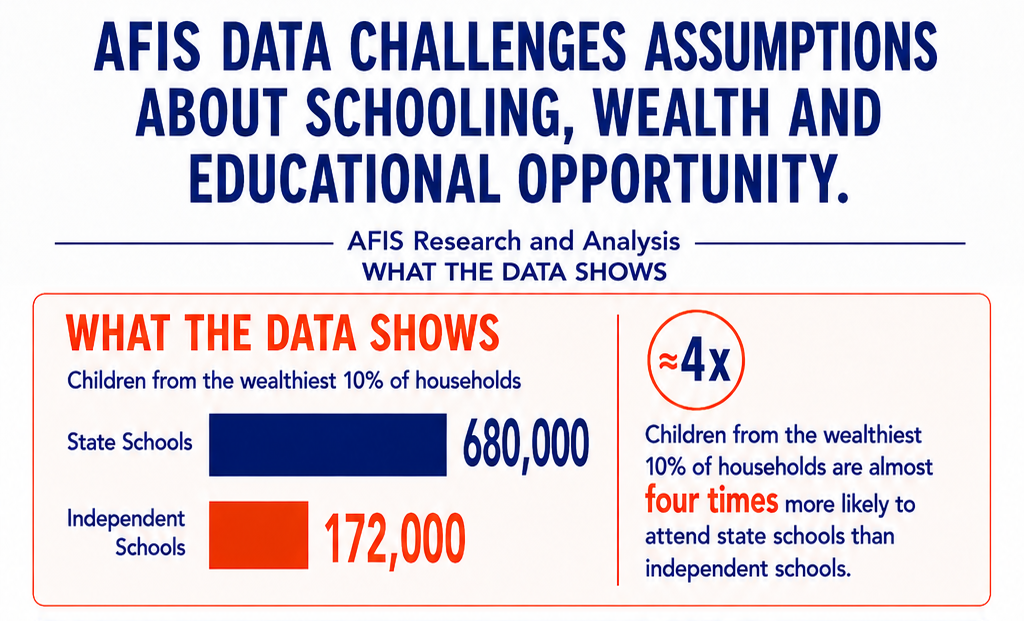
The latest responses to our Freedom of Information requests (see graphic) add to growing evidence of insufficient capacity on post-16 provision in the South East.
(With the highest concentrations of independent-school pupils in the country, this region was always likely to be particularly affected as affordability pressures increased and schools began to close).
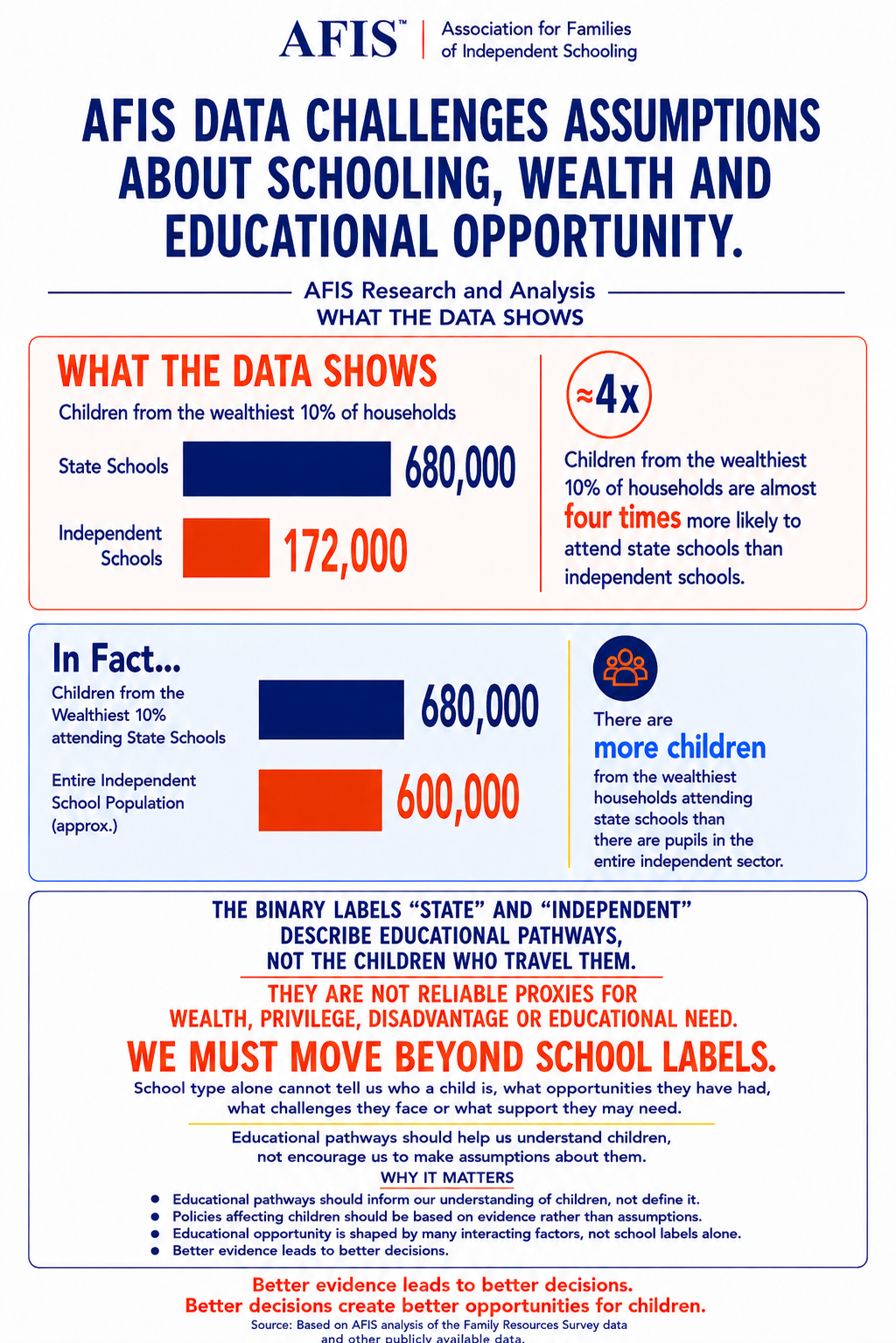
The latest Department for Education data shows around 22,000 fewer pupils in the independent sector.
Meanwhile, ISC data indicates the largest reductions are occurring at key transition points, including Year 12, exactly where additional pressure on state-funded admissions would be expected to emerge.
The official data tells us how many schools have closed and what is happening to national pupil numbers.
AFIS is trying to understand what is happening to the children and families behind those numbers.
Where have those pupils gone?
Into the state sector?
Other independent schools?
Home education?
What impact is this having on state schools and sixth forms and children from both sectors?
What is being done to support all the children and families affected? AFIS is a new, small organisation.
We cannot investigate every school, sixth form and college in England.
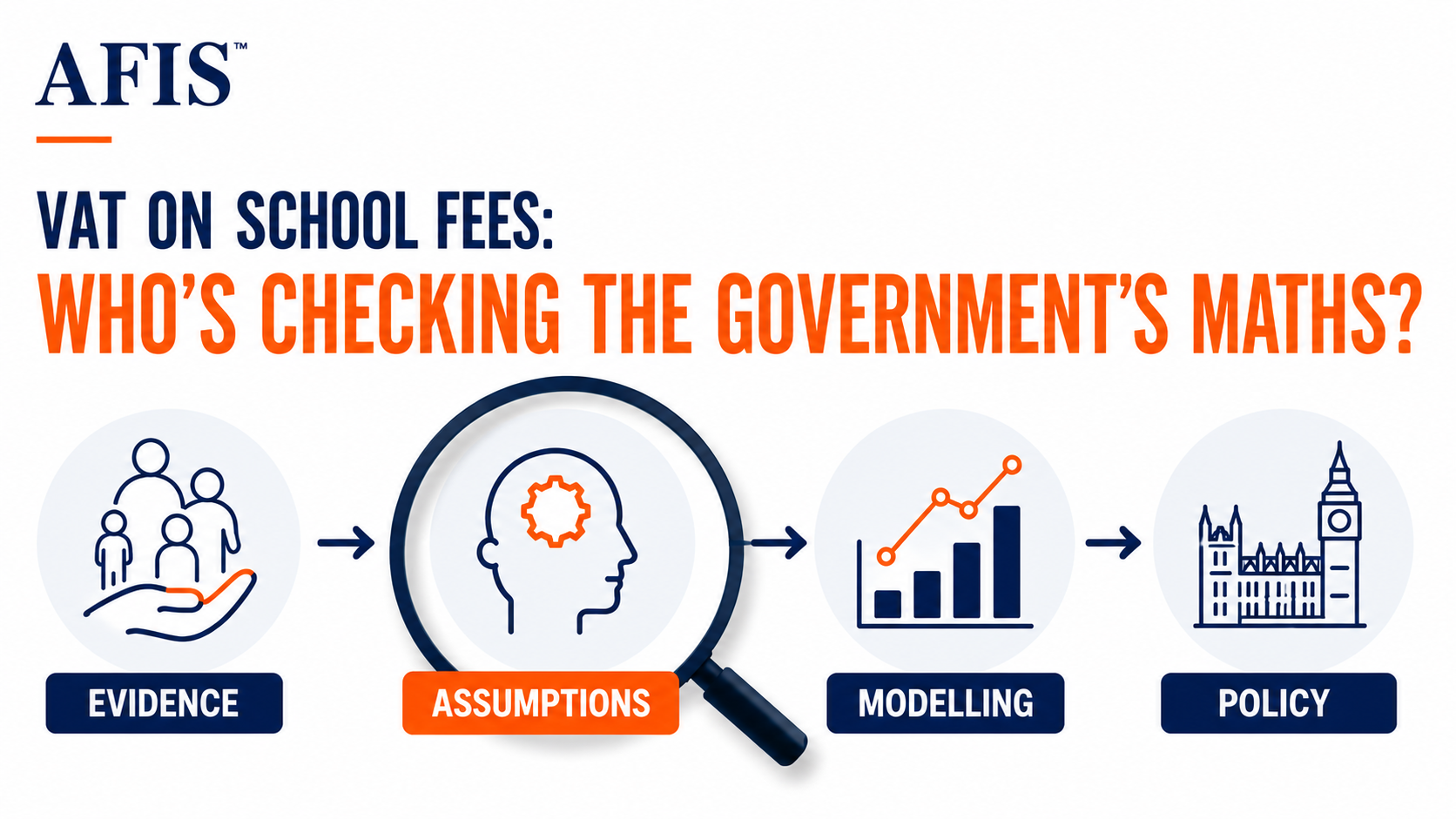
Yet even our early FOI work raises important questions about how these consequences were anticipated before VAT, how they are being monitored, and what is being done now.
These questions matter.
Not only for all the families navigating the disruption, but also because they go directly to the question of impact and proportionality that will now be considered by the Supreme Court.
AFIS is delighted to continue collaborating with the Faith Schools group that has tenaciously pursued the VAT issue through the courts.
We are pleased to be able to contribute new data, insights and analysis as we prepare a substantive intervention for the Court.
As part of our contribution to this landmark legal case, AFIS will continue, researching, gathering evidence, and helping fill important gaps in the data.
Because good policy requires good evidence.
And behind every statistic is a child, a family and a future.